
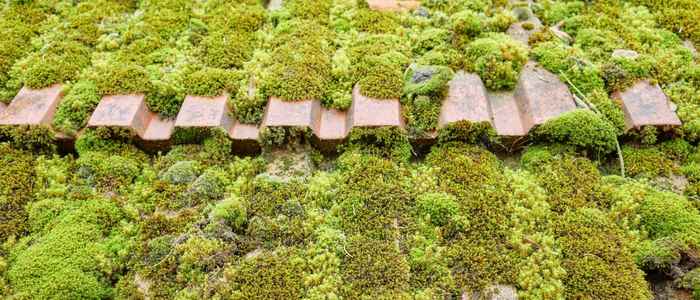
Moss on your roof might look natural and harmless, but it can quietly cause serious damage over time. It usually grows in damp, shaded areas and spreads quickly across shingles if not treated early.
As moss builds up, it traps moisture against your roof surface, which can weaken materials, lift shingles, and even cause leaks inside your home.
This is why many homeowners search for the Best Way to Get Rid of Moss on Roof before the issue becomes expensive to fix. The good news is that removing moss does not have to be difficult.
With the right methods and regular maintenance, you can clean your roof safely and keep it protected for years. In this blog post, you will learn easy steps, useful tips, and simple prevention methods to stop moss from coming back.
What Is Roof Moss and How It Starts Growing
Roof moss is a small plant that grows in damp and shady places. It does not need soil, only moisture and dirt. Once it starts growing on shingles, it spreads quickly and becomes thick.
Moss often starts in small patches, especially on the north side of roofs where sunlight is limited. If not cleaned early, it spreads across the roof and becomes harder to remove.
Main Reasons Why Moss Grows on Roofs
Moss growth usually happens because of moisture and poor roof conditions. Here are the most common reasons:
- Old roofing materials that absorb water
- Roof stays wet for long periods
- Lack of direct sunlight
- Overhanging tree branches
- Dirty or clogged gutters
- Leaves and organic debris on shingles
- Poor air circulation on the roof
Warning Signs of Roof Moss Damage
Green or dark patches on shingles
Green or dark patches are early signs of moss growth on your roof. These spots spread quickly and trap moisture, which can damage shingles and reduce roof life.
Shingles lifting or curling
When moss grows under shingles, it pushes them up and causes curling. This allows water to enter easily and increases the risk of leaks and structural damage over time.
Water staying longer on roof surface
If water does not dry quickly and stays on your roof, it creates a perfect place for moss to grow. Constant moisture weakens roofing materials and speeds up damage.
Soft or damaged roofing areas
Moss holds moisture that slowly softens roofing materials. Over time, this can lead to weak spots, cracks, and damage that may require costly repairs if ignored.
Small leaks inside the house
Moss can cause small gaps in the roof, allowing water to enter your home. These leaks may start small but can lead to bigger problems like mold and ceiling damage.
Debris stuck under shingles
Leaves and dirt trapped under shingles create moisture and help moss grow faster. This buildup blocks proper drainage and increases the risk of roof damage over time.
Safe Tools You Need for Moss Removal
Before cleaning your roof, gather the right tools. Using safe tools protects your roof and your safety.
- Soft-bristle brush or broom
- Garden hose (low pressure)
- Roof-safe moss cleaner solution
- Safety gloves
- Non-slip shoes
- Ladder with good support
- Protective eyewear
Step-by-Step Method to Remove Roof Moss Safely
Follow these simple steps for safe cleaning:
- Inspect the roof and identify moss areas
- Remove loose moss with a soft brush
- Apply moss removal solution evenly
- Let it sit for recommended time
- Gently rinse with low-pressure water
- Clean gutters after washing
- Check roof again after drying
This is one of the most effective and Best Way to Get Rid of Moss on Roof methods for homeowners.
Natural vs Chemical Moss Removal Methods
There are two main types of moss removal methods. Each has its own benefits.
Natural methods include vinegar and baking soda solutions. These are safe for plants and pets but work slowly. Chemical cleaners work faster and are better for heavy moss growth. However, they must be used carefully to avoid damage.
Both methods can be part of the Best Way to Get Rid of Moss on Roof, depending on your roof condition. Ensure a long-lasting roof. Consistent care is truly the Best Way to Get Rid of Moss on Roof and avoid expensive repairs in the future.
Roof Moss Removal Methods Comparison
| Method | Effectiveness | Safety | Cost | Speed |
|---|---|---|---|---|
| Soft brushing | Medium | High | Low | Medium |
| Vinegar solution | Low–Medium | High | Low | Slow |
| Chemical moss cleaner | High | Medium | Medium | Fast |
| Pressure washing | High (short-term) | Low | Medium | Fast |
| Professional cleaning | Very High | Very High | High | Fast |
Best Time to Remove Moss from Roof
Timing is important for safe and effective moss removal. The best time is during dry weather when the roof is not slippery.
Avoid cleaning during rainy or windy days. Spring and early summer are usually the best seasons because the roof stays dry longer and cleaning products work better.
Cleaning during dry conditions also helps moss treatments work deeper and last longer. Morning or late afternoon is ideal because the temperature is moderate.
Avoid very hot midday sun, as solutions may dry too fast. Choosing the right time ensures safety, better results, and longer-lasting protection for your roof.
How to Prevent Moss from Coming Back
After cleaning, prevention is very important. If you do not prevent moss, it will return quickly. Sunlight, dryness, and cleanliness are the key to prevention.
Regular maintenance helps stop moss before it starts growing again. Make it a habit to inspect your roof and remove debris quickly. Keeping the roof dry reduces moisture buildup, which moss needs to grow. Small efforts like trimming trees and improving airflow can make a big difference in long-term roof protection.
Moss Prevention Tips for Long-Term Protection
- Trim trees around your house regularly
- Clean gutters at least twice a year
- Remove leaves and debris quickly
- Improve roof ventilation
- Install zinc or copper strips
- Inspect roof every 3–6 months
- Fix leaks as soon as possible
These steps help maintain the Best Way to Get Rid of Moss on Roof for long-term results.
Mistakes to Avoid When Removing Roof Moss
Using high-pressure washers
Using high-pressure washers may seem fast, but it can strip away protective layers from shingles. This leads to cracks, leaks, and reduces the overall lifespan of your roof.
Scrubbing too hard with metal brushes
Scrubbing aggressively with metal brushes can damage shingles and remove their surface coating. This weakens the roof structure and makes it more exposed to water damage.
Ignoring safety gear
Skipping safety gear like gloves, non-slip shoes, and eye protection increases the risk of injury. Roof cleaning can be dangerous, especially when surfaces are wet or uneven.
Cleaning during wet weather
Cleaning your roof during rain or damp conditions makes it slippery and unsafe. It also reduces the effectiveness of cleaning solutions and may cause accidents or poor results.
Not treating moss after removal
If you only remove visible moss without applying a treatment, it can grow back quickly. Proper treatment is important to kill roots and prevent future moss growth.
Walking on weak roof areas
Walking on damaged or weak sections of the roof can cause further breakage. It may also lead to accidents, making it important to step carefully and inspect areas first.
When You Should Hire a Professional
Sometimes moss becomes too heavy or dangerous to clean by yourself. In these cases, hiring a professional is safer.
You should call experts if:
- Roof is very steep or high
- Moss covers a large area
- Roof is old or fragile
- You are not comfortable climbing
- You want long-term protection treatment
Professionals often provide the safest Best Way to Get Rid of Moss on Roof when the situation is severe.
Frequently Asked Questions
What is the fastest way to get rid of moss on a roof?
The fastest way is to use a roof-safe chemical moss remover spray. It quickly kills moss and stops it from spreading. After applying, you can gently rinse the roof with water. This method is often considered the Best Way to Get Rid of Moss on Roof for quick results.
Can I remove roof moss without chemicals?
Yes, you can use natural solutions like vinegar or baking soda mixed with water. These are safer for the environment but may take more time to show results. You will also need to scrub gently with a soft brush to remove the moss.
Is it safe to pressure wash moss off a roof?
No, pressure washing is not recommended. It can damage shingles, remove protective layers, and cause leaks. Gentle cleaning methods are always safer and more effective in the long term.
How often should I clean moss from my roof?
You should inspect your roof every 3 to 6 months and clean moss at least once a year. If you live in a damp or shaded area, more frequent cleaning may be needed to prevent moss buildup
Final Thoughts
Roof moss is a slow but serious problem. If ignored, it can damage your home and lead to costly repairs. The best solution is a combination of safe cleaning, proper treatment, and regular maintenance.
By using gentle tools, applying moss cleaner, and following prevention tips, you can easily protect your roof. Regular care is the real Best Way to Get Rid of Moss on Roof and keeps your home strong, clean, and safe for many years.